Pitcher Plants: Evolved or Designed

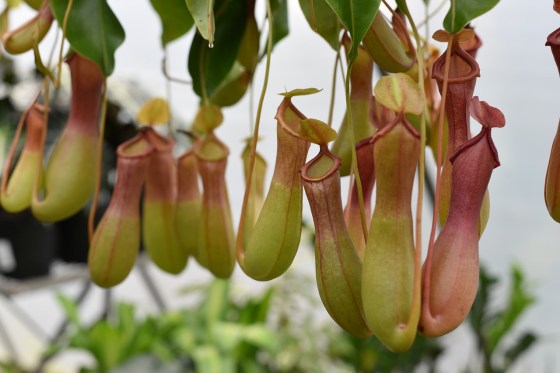
Carnivorous plants have fascinated humanity for centuries. Even Charles Darwin (Darwin, 1875) took time from reshaping the scientific landscape to write about these bizarre plants. Pitcher plants are one of the more well-known variants of carnivorous plants. They come in a variety of sizes, styles, and colors, and are somewhat popular as ornamental plants. According to current research, they have a very interesting evolutionary history as well.
Rooting the Tree of Life

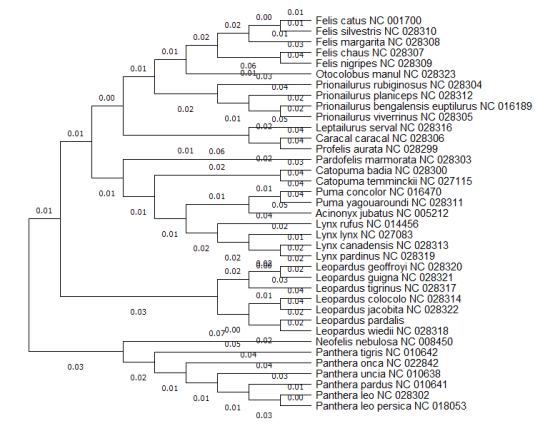
I’ve written about phylogenetics before, numerous times, but I wanted to get into something a little more practical and deep at the same time today. I wanted to explain how the evolutionists try to root their overarching tree of life. Most phylogenetic trees focus on small groups of animals. However, for evolution to be true, all life must go back to a common ancestor. That means that somewhere, the evolutionists need to plant the tree of life, aka “root” it on some, likely now-extinct species. Let’s have a look at how they do it.

Regeneration: Not By Chance

A recent paper found that alligators have the ability to grow short sections of their tails back, if they lose them for any reason. The ability appears to be present only in young alligators. This got me thinking about the process of regeneration as a whole and how evolution could possibly explain such a feat.

Plant Evolution to Avoid Humans?

A recent study came out that claimed that some plants have evolved explicitly to avoid harvesting by humans. The study claimed that a species of plant, Fritillaria delavayi, a plant whose bulb is used regularly in Chinese herbal medicine, has evolved to make it harder for humans to find it and harvest it. The study, published in the journal Current Biology, is very interesting, but equivocates on the word “evolution”, like most so called evidences for evolution do.